HR Consulting in India: Services, Cost & When to Hire One

HR consulting is bringing in an external expert to assess an organization’s people practices and either recommend or directly implement fixes, used when a company needs HR expertise it doesn’t have in-house, or an outside perspective it can’t get from inside. It ranges from a single compliance audit to an ongoing retainer covering strategy, hiring, and policy work.
Types of HR Consulting Services
Most HR consulting work falls into one of four categories, and knowing which one you actually need before you start calling firms saves a lot of wasted discovery calls:
- Assessment and compliance audits: a review of existing HR practices, policies, and statutory compliance (PF, ESI, POSH, Shops and Establishments Act requirements) against what’s actually required, with a gap report.
- Strategy and policy development: building HR systems and policies from scratch or overhauling weak ones, performance management frameworks, leave policies, compensation structures.
- Change management: support through a merger, layoff round, restructuring, or rapid scaling, where the people-side risk is as significant as the operational side.
- Recruitment and talent acquisition: outsourced or supplemented hiring, usually priced separately from other consulting work since it’s the most commoditized service in this category.
How Much Does HR Consulting Cost in India?
| Engagement Type | Typical Pricing |
|---|---|
| Hourly consulting | ₹1,500 to ₹5,000 per hour, depending on consultant seniority |
| Monthly retainer | Varies widely by scope; common for ongoing policy and compliance support |
| Recruitment and talent acquisition | 8% to 20% of the hired candidate’s annual CTC, or ₹30,000 to ₹2,50,000 per month for dedicated hiring support |
| One-time compliance audit | Fixed project fee, scoped to company size and number of locations |
What actually moves the number: how many locations and states you operate in (multi-state compliance work costs more, since rules vary by state), how senior the consultant is, and whether it’s a one-time project or an ongoing relationship. Get a scoped quote rather than assuming a number from a blog post applies to your specific situation.
When to Hire an HR Consultant vs Build In-House
The honest answer is that this is rarely an either-or decision for very long. Most companies that start with a consultant eventually build internal HR capacity as they grow, and the consultant’s job shifts from doing the work to setting up systems the internal team can run.
- Hire a consultant when: you’re too small to justify a full-time HR hire but still need compliant policies and processes; you’re navigating a specific event (M&A, mass layoff, entering a new state) that needs specialist expertise you won’t need permanently; or you need an objective external audit that an internal team, understandably, can’t provide on itself.
- Build in-house when: HR needs have become continuous and operational rather than project-based, when the cost of ongoing consulting retainers starts to exceed a full-time hire’s salary, or when institutional knowledge of your specific culture and people matters more than external expertise.
What a Good HR Consultant Actually Delivers
Objectivity is the underrated part of this. An internal HR team, however good, has blind spots about its own department’s practices, and political constraints on what it can say to leadership. A consultant’s outside perspective, backed by having seen the same problems across many other companies, is often worth more than the specific technical work.
Beyond that, the practical value is speed and specialization: a consultant who’s built ten compliance frameworks moves faster than a generalist HR team building its first one, and brings current knowledge of regulatory changes, like the ongoing rollout of India’s labour codes, that an internal team focused on day-to-day operations may not be tracking closely.
Where HR Software Fits In
Consultants are typically the right call for the judgment-heavy, one-time work: designing a policy framework, navigating a specific compliance gap, structuring a change management plan. Once those systems exist, running them day to day, tracking leave balances, processing payroll, managing attendance, is where HR and payroll software takes over, since paying a consultant’s hourly rate to manually re-run the same monthly process isn’t a good use of either party’s time. The two aren’t competing options; a good consultant will often recommend the software that makes their own recommendations sustainable after the engagement ends.
Frequently Asked Questions
How much does HR consulting cost in India?
Hourly rates typically run ₹1,500 to ₹5,000 depending on seniority. Recruitment-specific services are usually priced at 8% to 20% of the hired candidate’s annual CTC, or as a monthly retainer for ongoing hiring support.
When should a small business hire an HR consultant instead of an HR manager?
When HR needs are still project-based rather than continuous, a handful of policies to set up, a compliance gap to close, rather than day-to-day people management that justifies a full-time salary.
What’s the difference between HR consulting and HR outsourcing?
Consulting typically means advisory work and one-time or project-based engagements. Outsourcing usually means an external provider runs ongoing HR functions (payroll, compliance filing) on a continuous basis. The line between them blurs in practice, and some firms offer both.
Do HR consultants handle statutory compliance like PF and ESI?
Many do, particularly firms positioned around compliance audits. Confirm this specifically before engaging, since not every HR consultant has deep statutory compliance expertise; some focus purely on strategy, recruitment, or organizational development instead.
Can an HR consultant help during layoffs or restructuring?
Yes, this is a common change-management engagement, covering everything from legally compliant retrenchment process to communication planning and support for the employees and managers involved.
Is HR consulting worth it for a startup?
Often, yes, specifically for getting compliant policies and processes in place early, before an internal HR hire makes sense. Getting this foundation wrong early is more expensive to fix later than paying for it upfront.
Whether you go with a consultant, software, or both, hrsoftware.in’s HR software comparisons are a good starting point for evaluating the tooling side of that decision.

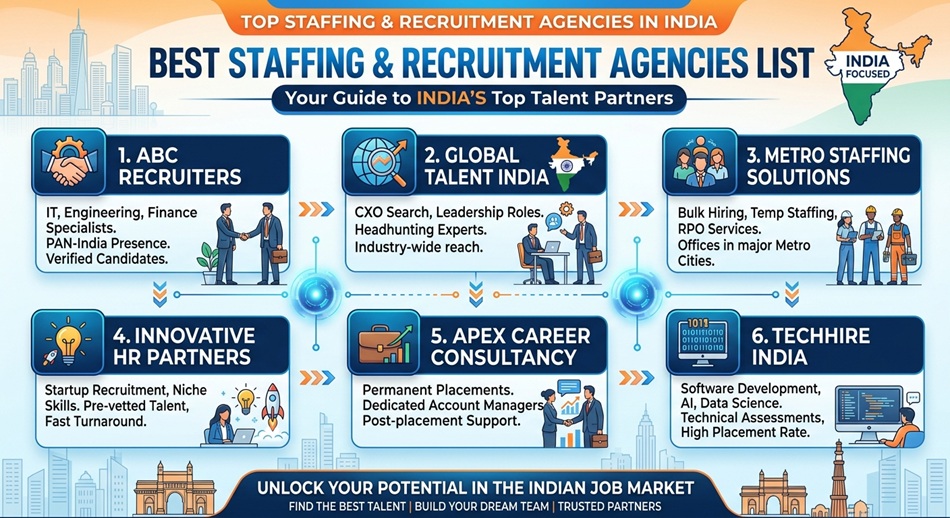
- Best Staffing and Recruitment Agencies in India - September 15, 2026
- Right to Disconnect in India: Where the Law Actually Stands - September 15, 2026
- AI in HR and Recruitment: What’s Actually Real in 2026 - September 15, 2026