What Is the Recruitment Life Cycle? Stages, Documents, and Timelines

The recruitment life cycle is the full sequence of stages a company moves through to fill an open role, from identifying the need for a hire to the new employee’s first weeks on the job. It typically runs six stages: planning, sourcing, screening, selecting, offering, and onboarding.
What Is the Recruitment Life Cycle?
The recruitment life cycle isn’t just the interview process. It starts before a job is ever posted, with defining what the role actually needs, and it doesn’t end when a candidate signs an offer. Onboarding and the first few weeks on the job are part of the same cycle, since a badly handled start can undo a well-run hiring process.
Some companies split this across specialists, a sourcer, a screener, an interview coordinator, an onboarding lead, while others use full-cycle recruiting, where one recruiter owns a requisition from opening to the new hire’s first day. Neither is inherently better; full-cycle recruiting tends to suit smaller teams and specialist or senior roles, where continuity with one point of contact matters more than raw throughput.
The 6 Stages of the Recruitment Life Cycle
1. Planning
Before anything gets posted, someone has to define what’s actually needed: the skills, experience level, and where the role sits in the team. This stage is a collaboration between HR and the hiring manager, not an HR-only task, and skipping it is the single most common reason a search drags on, since a vague job description attracts the wrong applicants and wastes screening time later.
2. Sourcing
Finding candidates through job portals, LinkedIn, employee referrals, or recruitment consultants for senior and niche roles. Whether you’re sourcing externally or considering an experienced hire from a competitor, our lateral hiring guide covers the channels and process specifics for that route in detail.
3. Screening
Reviewing resumes and applications against the requirements defined in the planning stage, usually through an applicant tracking system, followed by an initial phone or video screen to confirm basic fit and interest before investing more time.
4. Selecting
Interview rounds, technical or domain assessments where relevant, and a final decision made jointly by the hiring manager and recruiter. Two to four rounds is typical for most roles; stretching this further mainly costs you candidates to a faster-moving competitor, not better hiring accuracy.
5. Offering
Extending the offer and negotiating terms, salary, start date, and for experienced candidates, notice period and any buyout arrangement. This stage has more India-specific mechanics than most recruitment guides cover, detailed in the next section.
6. Onboarding
Getting the new hire compliant, equipped, and integrated into the team. This is where most of the paperwork that’s actually legally required in India happens, also covered below.
The Offer Letter Isn’t the Appointment Letter, and India Treats Them Differently
Most recruitment life cycle guides treat the offer stage as one step. In India, it’s legally two separate documents with different weight.
An offer letter is the first formal document a candidate receives after clearing interviews. It states the job title, joining date, probation terms, and starting compensation. It’s not legally mandatory, but almost every organization issues one anyway, mainly to create a clear record and avoid disputes if either side’s understanding of the deal drifts before joining.
The appointment letter is different: under state Shops and Establishments Acts, issuing a written appointment letter is a legal requirement, not optional. It’s issued after the candidate joins and typically confirms job designation, full CTC breakup, reporting manager, working hours, probation clause, and benefits in more binding detail than the offer letter carried.
For experienced hires specifically, add one more document to this stage: the relieving letter from their previous employer, which most companies require as proof the candidate has actually separated from their last role before finalizing appointment. Our lateral hiring guide covers why this matters and what background verification firms actually check.
Onboarding Compliance Checklist for India
Onboarding in India involves specific statutory paperwork most global recruitment frameworks don’t mention at all:
- Form 11: The EPF declaration every new employee fills out to enroll in the Employees’ Provident Fund and pension scheme.
- Form 2: The PF nomination form, naming who receives the employee’s PF balance in case of death.
- ESI Form 1: Mandatory for employees earning up to ₹21,000 a month, enrolling them in the Employees’ State Insurance scheme.
- Identity and education documents: Aadhaar, PAN, and educational certificates, verified against what the candidate provided during screening.
- Relieving letter: For experienced hires, required before the appointment is finalized, not just requested informally.
Missing any of these doesn’t just create an administrative headache later, it can leave a new employee outside statutory PF or ESI coverage they’re legally entitled to from day one.
Probation Period: What Most Companies Get Wrong
Probation isn’t mandated by central labour law in India, but it’s near-universal practice, and its terms have to be spelled out in the appointment letter to have any legal weight. Three to six months is the typical range, though some states and industries have sector-specific rules, and senior roles sometimes carry longer probation.
The mistake worth avoiding: treating probation as a formality rather than an actual evaluation window. If a company issues a confirmation letter automatically at the end of probation without a real check-in, the probation clause stops meaning anything, and it becomes much harder to manage out a genuinely poor fit later, since routine confirmation itself becomes an implicit signal of satisfactory performance.
How Long Should the Full Cycle Take?
For experienced or lateral hires, 2 to 6 weeks from first outreach to offer is typical in India, though senior or highly specialized roles stretch longer simply because the qualified candidate pool is smaller. Add the candidate’s notice period, commonly 30 to 90 days depending on seniority and industry, and the actual gap between offer acceptance and start date is often the longest single stretch in the whole cycle, not the interview process itself.
Campus and entry-level hiring runs on a different clock entirely, often planned months ahead of an academic calendar rather than reactively against an open requisition.
Common Mistakes That Break the Cycle
Vague job requirements. The planning stage gets rushed, and every downstream stage inherits the problem, wasted screening time, mismatched candidates reaching final rounds, an offer that doesn’t actually fit what the team needed.
Slow, unclear approval chains. A strong candidate with other offers on the table doesn’t wait for internal sign-off to move slowly. Every extra day between final interview and offer is a day a competitor can close them first.
Poor candidate communication. Survey research on hiring has consistently found that a large share of candidates disengage from a process specifically because of unclear or absent communication, not because they found a better opportunity. This is one of the cheapest problems to fix and one of the most commonly ignored.
Treating the offer as the finish line. The gap between acceptance and joining, and the first weeks after, are still part of the cycle. A candidate can decline after accepting, or leave within months if onboarding doesn’t match what recruitment promised.
Frequently Asked Questions
Q: What are the stages of the recruitment life cycle?
A: Planning, sourcing, screening, selecting, offering, and onboarding. Some frameworks split this into more granular steps, but these six cover the full sequence from identifying a hiring need to the new employee’s first weeks on the job.
Q: What’s the difference between an offer letter and an appointment letter in India?
A: An offer letter is issued after interviews and states the role, joining date, and compensation, but it’s not legally mandatory. The appointment letter is issued after joining and is a legal requirement under state Shops and Establishments Acts, confirming detailed terms including the full CTC breakup and probation clause.
Q: How long does the recruitment life cycle typically take in India?
A: For experienced hires, 2 to 6 weeks from first outreach to offer is typical, though senior or niche roles take longer. The candidate’s notice period, often 30 to 90 days, usually adds more time to the overall cycle than the interview process itself.
Q: Is a probation period legally required in India?
A: No central law mandates probation, but it’s standard practice and must be explicitly stated in the appointment letter to carry legal weight. Three to six months is typical, with some state and sector-specific variations.
Q: What documents are required for onboarding in India?
A: At minimum, Form 11 for EPF enrollment, Form 2 for PF nomination, ESI Form 1 for employees earning up to ₹21,000 a month, identity documents like Aadhaar and PAN, and for experienced hires, a relieving letter from their previous employer.
Q: What’s the difference between full-cycle recruiting and split-function recruiting?
A: In full-cycle recruiting, one recruiter manages a role from opening to the new hire’s first day. In split-function recruiting, different specialists handle sourcing, screening, and onboarding separately. Full-cycle suits smaller teams and senior or specialist roles better; split-function scales better for high-volume hiring.
Q: Why do candidates drop out during the recruitment life cycle?
A: Poor or unclear communication is one of the most common reasons, often more than compensation. Slow approval chains that delay offers also lose candidates to faster-moving competitors, especially for in-demand roles.
Q: Does onboarding count as part of the recruitment life cycle?
A: Yes. The cycle doesn’t end when an offer is accepted. Onboarding, including statutory paperwork and the new hire’s first weeks, is part of the same process, and a weak onboarding experience can undo an otherwise well-run hiring process.
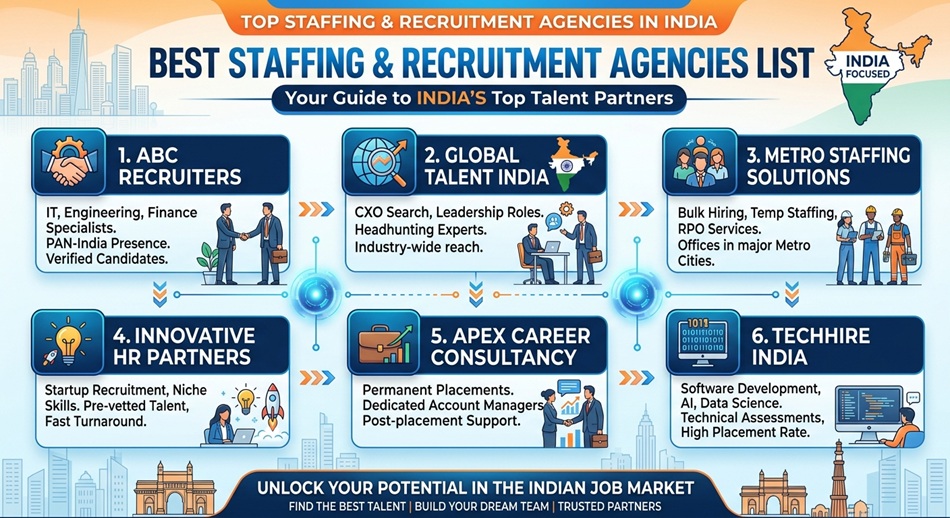
If you’d rather bring in outside help for part of this cycle rather than running it entirely in-house, see our guide to staffing and recruitment agencies in India, including which ones specialize in RPO versus individual placements.
Running this cycle consistently across every open role is considerably easier with HR management software that standardizes the process, rather than each hiring manager improvising their own version.

- Best Staffing and Recruitment Agencies in India - September 15, 2026
- Right to Disconnect in India: Where the Law Actually Stands - September 15, 2026
- AI in HR and Recruitment: What’s Actually Real in 2026 - September 15, 2026