Why Social Recruiting Beats Traditional Recruiting in India

“Social recruiting” used to mean posting a job on Facebook. In 2026, for most Indian white-collar hiring, it functionally means one platform specifically: LinkedIn now has an estimated 167 million users in India, growing at roughly 20% a year, and India ranks among its largest markets globally, second only to the United States. Understanding why social recruiting actually outperforms traditional methods means understanding what that specific platform makes possible that a newspaper ad or a generic job posting never could.
Reaching Passive Candidates, Not Just Active Job Seekers
Job portals reach people actively looking for work right now. Social recruiting reaches everyone else, the far larger group of employed, currently-not-looking professionals who aren’t scanning job boards but are still on LinkedIn regularly, posting, commenting, and visible to a recruiter who knows how to search. A large share of the best candidates for a senior or specialized role fall into exactly this category, and a job portal alone will never surface them.
Employer Branding Does Real Recruiting Work
A candidate researching a company before applying will look at its LinkedIn presence, employee posts, and how current employees talk about working there, often before they even open the job description. This isn’t a soft, unmeasurable benefit, it directly affects application quality and offer acceptance, since a candidate who’s already formed a positive impression of the company walks into the process pre-sold rather than needing to be convinced from zero.
Referrals Travel Further and Faster Through Social
Employee referrals convert at a genuinely high rate, roughly 20-30% of referred candidates get hired, well above most other channels, and referred hires also tend to stay longer and ramp up faster. Social platforms amplify this specific advantage: an employee sharing a job opening with their own network reaches people a company’s own official page never would, and it arrives with an implicit personal endorsement a cold job ad can’t replicate.
Precision Targeting a Newspaper Ad Never Had
A print ad reaches whoever reads that paper that day, with zero control over who actually sees it. Social platforms let recruiters filter by specific skills, current job title, location, and even the specific companies a candidate has worked at, turning a broadcast into something closer to a targeted search. This matters most for niche or senior roles, where the addressable pool is small enough that untargeted reach mostly wastes effort.
Speed and Cost, the Practical Argument
Recruiter adoption of LinkedIn specifically sits around 87-92% now, which means the candidates you’re trying to reach are already there, actively or passively, without needing to be pulled onto a new platform first. Posting and sharing a role costs nothing beyond time; a print or broadcast campaign has a real, often substantial, media spend attached before a single application arrives. For most roles below senior/executive level, this makes social recruiting the more cost-efficient default, not just a supplementary channel.
What Social Recruiting Doesn’t Replace
It’s a sourcing channel, not a full recruitment system. Applications still need to flow into a structured process, screening, interview scheduling, offer management, that a job portal integration or an applicant tracking system handles far better than a spreadsheet of LinkedIn messages. Social recruiting gets the right candidate into the pipeline faster; it doesn’t replace having a real pipeline to put them into. For the fuller hiring process this feeds into, see our guide on the recruitment life cycle, and for a broader comparison of India’s job portals as a complementary channel, see our guide to top job portals in India.
Frequently Asked Questions
Q: Is LinkedIn really the main social recruiting platform in India, or do other platforms matter too?
A: LinkedIn dominates for white-collar and professional hiring specifically, given its scale in India (an estimated 167 million users) and its structure around professional identity. Other platforms play a role for specific use cases, employer branding content on Instagram, for instance, but LinkedIn is the primary sourcing and outreach tool for most roles this applies to.
Q: Does social recruiting work for entry-level and blue-collar hiring too?
A: Less directly. It’s strongest for roles where candidates maintain an active professional social presence, mostly white-collar and skilled roles. For volume or blue-collar hiring, job portals and localized channels typically outperform social sourcing.
Q: How do you measure whether social recruiting is actually working?
A: Track source-of-hire data specifically, not just application volume, since social channels often produce fewer but higher-quality applications. Compare cost-per-hire and time-to-hire by source, including LinkedIn, referrals, and job portals, rather than judging a channel purely on raw applicant count.
Q: Is social recruiting actually cheaper than traditional recruiting?
A: For most roles, yes, since posting and outreach cost little beyond recruiter time, compared to media spend for print or broadcast advertising. The exception is heavy use of paid LinkedIn tools (InMail credits, premium job slots) at scale, which does carry a real cost and should be budgeted deliberately rather than assumed to be free.
Q: Should employee referral programs be run through social media specifically?
A: Encouraging employees to share openings on their own social networks meaningfully extends a referral program’s reach beyond people they’d think to personally recommend, while keeping the personal endorsement that makes referrals convert well in the first place.
Q: Does a strong social recruiting presence replace the need for a careers page?
A: No, they work together. Social content typically drives a candidate’s first impression and initial interest; the careers page and application flow is usually where that interest is actually converted into a completed application, and a weak one undoes the work social content did to get someone there.
Social recruiting’s real advantage isn’t that it’s newer or trendier than a newspaper ad, it’s that it reaches passive candidates a job portal can’t, carries an implicit endorsement a cold ad can’t replicate, and costs a fraction of traditional media spend. Used as one channel feeding a real hiring process, not as the whole process, it’s a genuine structural advantage, not just a fashion.

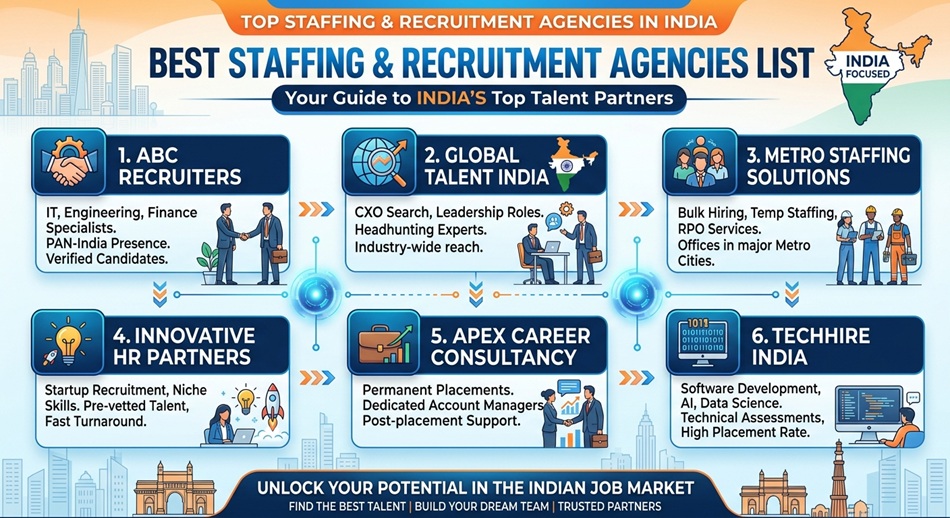
- Best Staffing and Recruitment Agencies in India - September 15, 2026
- Right to Disconnect in India: Where the Law Actually Stands - September 15, 2026
- AI in HR and Recruitment: What’s Actually Real in 2026 - September 15, 2026